Introduction
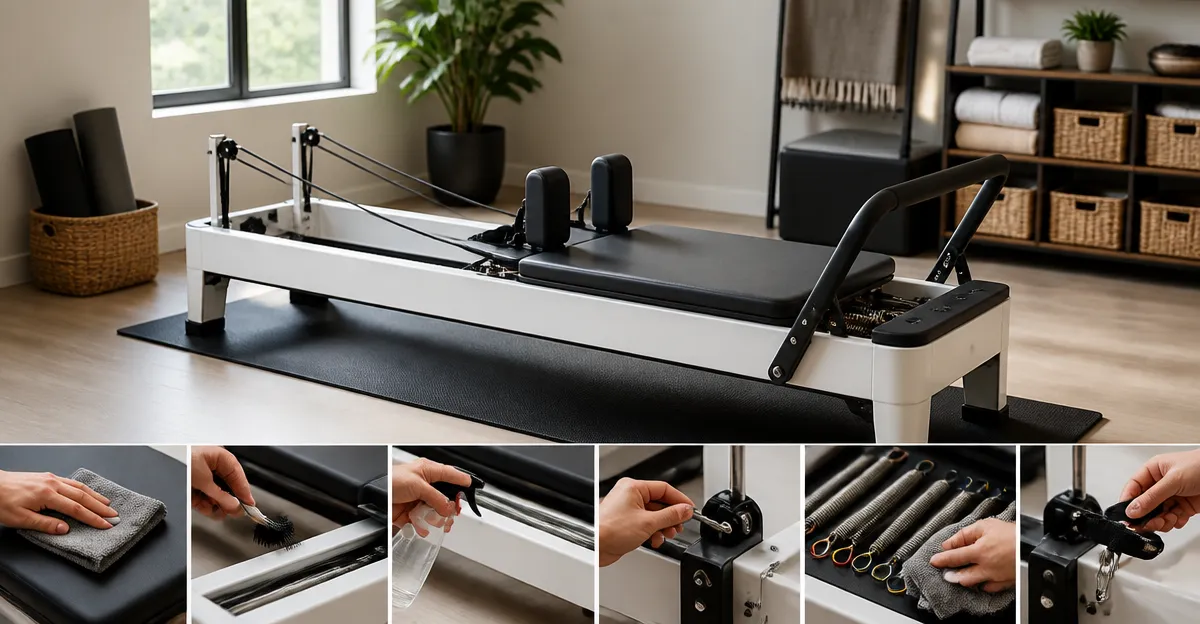
Maintaining a Pilates reformer in a small home gym ensures consistent performance, longevity, and safety. This guide will teach the reader ten essential care and cleaning tips that protect the equipment and enhance the workout experience. The information is valuable because a well‑maintained reformer prevents costly repairs, reduces noise, and preserves the aesthetic appeal of the device. Readers will also discover product recommendations that simplify each maintenance task.
What You’ll Need
- Soft microfiber cleaning cloths
- pH‑neutral wood cleaner or mild soap
- Silicone‑based lubricant suitable for metal rails
- Adjustable wrench set
- Vacuum with brush attachment
- Protective floor mat
Optional products that can streamline the process are listed in the steps below. All links point to Amazon items with affiliate codes.
Step 1: Clean the Carriage and Rails
The carriage and rails accumulate dust, sweat, and skin oils after each session. Use a soft microfiber cloth dampened with a pH‑neutral wood cleaner to wipe the wooden surfaces of the PAETA Wooden Pilates Reformer. This reformer features a solid oak frame that benefits from gentle cleaning to avoid warping. The cleaning process should take no more than five minutes and should be performed after every workout to prevent residue buildup.
Step 2: Inspect Springs and Adjust Tension
Springs provide the resistance required for effective Pilates exercises. Examine each spring for signs of fatigue, rust, or loss of elasticity. The PAETA Foldable Pilates Reformer includes six premium wire springs that are rated for up to 500 lb, making it a reliable reference for spring durability. If a spring feels loose, adjust the tension knob according to the manufacturer’s instructions, and replace any spring that shows visible wear.
Step 3: Lubricate Moving Parts
Metal rails and pulleys require periodic lubrication to ensure smooth gliding. Apply a silicone‑based lubricant to the aluminum alloy rails of the LeisureKing Oak Pilates Reformer. This model uses high‑quality rails that respond well to silicone spray, reducing friction without attracting dust. Apply a thin coat and wipe away excess with a clean cloth; the reformer will operate more quietly and with less wear.
Step 4: Wipe Down the Wooden Frame
Wooden frames are susceptible to moisture damage and scratches. After cleaning the carriage, use a dry microfiber cloth to buff the entire frame of your reformer. For the PAETA Wooden Pilates Reformer, the solid oak construction is designed to resist moisture, yet regular wiping prevents streaks and preserves the natural finish. Avoid using abrasive cleaners that could strip the protective seal.
Step 5: Check and Tighten Bolts
All connections, including bolts and pins, should be inspected weekly. Loose bolts can cause wobbling and compromise safety. The PAETA Foldable Pilates Reformer features a ring‑style locking pin system that is easy to access; use an adjustable wrench to tighten any pin that feels loose. Do not overtighten, as this may strip the threading.
Step 6: Maintain the Jump Board
Jump boards add cardiovascular intensity but require extra care to avoid wear. Inspect the padding for compression and the attachment points for secure fastening. The PAETA Wooden Pilates Reformer includes a jump board that can be removed for cleaning; wipe it with a damp cloth and allow it to air dry completely before reattaching. Replace worn padding to maintain shock absorption.
Step 7: Store the Reformer Properly
Space constraints demand efficient storage solutions. When not in use, fold the reformer according to the manufacturer’s instructions and place it on a protective floor mat. The JANUA Foldable Pilates Board demonstrates how a compact design can be stored vertically in a closet, freeing floor space for the main reformer. Ensure the wheels are locked to prevent accidental movement.
Step 8: Protect Upholstery and Padding
Upholstery can become stained by sweat and oils. Lightly vacuum the padding with a brush attachment to remove debris, then spot‑clean with a mild detergent. The Dpiolrcag Foldable Pilates Reformer includes a breathable leather mat that benefits from occasional conditioning with a leather‑safe product to keep it supple. Avoid saturating the padding, as excess moisture can lead to mold.
Step 9: Control the Environment
Temperature and humidity affect both wood and metal components. Keep the home gym temperature between 68 °F and 75 °F and use a dehumidifier if the room is prone to moisture. The Dpiolrcag Foldable Pilates Reformer features a leather mat that can become sticky in high humidity; maintaining a stable environment prevents this issue.
Step 10: Schedule Regular Professional Inspections
Even diligent owners benefit from an annual professional check‑up. A qualified technician can assess spring fatigue, rail alignment, and structural integrity. While the guide provides daily maintenance, a yearly service extends the reformer’s lifespan and ensures compliance with safety standards.
Tips & Pro Tips
- Perform a quick visual inspection before each workout to catch loose bolts early.
- Use a dedicated cleaning cloth for each reformer to avoid cross‑contamination.
- Apply lubricant sparingly; excess can attract dust and create a sticky surface.
- Rotate the carriage position weekly to distribute wear evenly.
- Document maintenance dates in a logbook to track service intervals.
Troubleshooting
Problem: Carriage feels sticky or uneven.
Solution: Clean the rails thoroughly, reapply a thin layer of silicone lubricant, and verify that all bolts are tightened.
Problem: Springs produce a squeaking noise.
Solution: Inspect each spring for corrosion; replace any spring that shows rust or loss of tension.
Conclusion
This guide has presented ten essential care and cleaning tips that enable a Pilates reformer to perform optimally in a small home gym. By following the steps, using appropriate products, and maintaining a controlled environment, the reader can protect the investment and enjoy quiet, reliable workouts. Regular attention to detail prevents major repairs and ensures that the reformer remains a centerpiece of the home fitness routine.
Products Mentioned in This Guide
Frequently Asked Questions
How often should I clean the carriage and rails of my Pilates reformer?
Wipe them with a microfiber cloth after each workout and do a deeper cleaning weekly to remove sweat and dust buildup.
What type of cleaner is safe for the wooden parts of a reformer?
Use a pH‑neutral wood cleaner or a mild soap solution to protect the finish without causing damage.
Which lubricant should I use on the metal rails and how often?
Apply a silicone‑based lubricant designed for fitness equipment every 1–2 months, or when the rails feel noisy or stiff.
Can I use a regular vacuum to remove dust from the reformer?
Yes, a vacuum with a brush attachment safely removes dust from hard‑to‑reach areas without scratching surfaces.
How can I protect my reformer’s floor and reduce noise in a small home gym?
Place a protective floor mat beneath the reformer to cushion impact, dampen sound, and prevent floor damage.