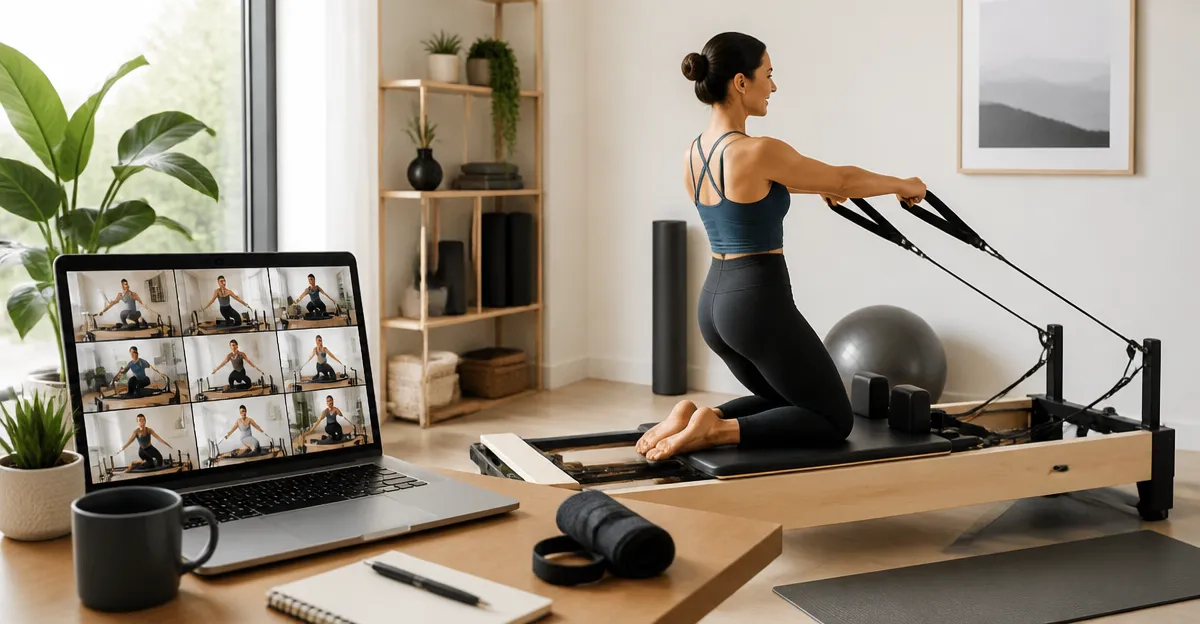
How to Run Virtual Reformer Classes for Remote Teams: The Ultimate Guide to Engaging Corporate Pilates & Wellness Sessions
Introduction
This guide explains how organisations can implement virtual Pilates reformer classes that support employee wellbeing, improve posture, and foster team cohesion. Readers will learn the essential background, equipment considerations, step‑by‑step session design, best‑practice tips, and answers to common questions. The information is based on real product data and customer feedback, ensuring that recommendations are grounded in actual performance.
Background and Context
Pilates reformer training provides low‑impact, full‑body conditioning that enhances core stability, flexibility, and joint health. Remote work environments often lack ergonomic support, leading to increased discomfort and reduced productivity. Introducing virtual reformer sessions addresses these challenges by offering guided movement that can be performed from a home office or dedicated workout space. Successful virtual programmes combine reliable equipment, clear instructional design, and reliable technology platforms.
Designing Effective Virtual Reformer Sessions
Creating a compelling virtual class requires a clear structure, engaging instruction, and equipment that fits the home environment. The following subsections outline each component.
1. Session Structure
- Warm‑up (5‑7 minutes): gentle spinal articulation and breathing exercises.
- Core Activation (10 minutes): foot‑bar and strap work that targets the transverse abdominis.
- Full‑Body Flow (15‑20 minutes): coordinated leg, arm, and spine movements using the carriage and springs.
- Cool‑down (5 minutes): static stretches and relaxation.
Each segment should be timed and announced clearly, allowing participants to follow along without confusion.
2. Instructional Delivery
Professional instructors should use a high‑definition webcam positioned at eye level, with a clear view of the reformer carriage. Audio quality is critical; a lapel microphone reduces background noise. Instructors can enhance engagement by naming each movement, demonstrating variations, and offering verbal cues for alignment.
3. Technology Platform
Choose a video‑conferencing solution that supports screen sharing, breakout rooms, and real‑time chat. Enable captions for accessibility. Record sessions for employees who cannot attend live, ensuring that the recording is stored securely in compliance with corporate data policies.
Choosing the Right Equipment for Remote Teams
Equipment selection depends on budget, space constraints, and the fitness level of participants. The following products have been identified as high‑quality options that meet a range of corporate needs.
LeisureKing Oak Pilates Reformer
The LeisureKing Oak Pilates Reformer offers studio‑grade construction with an oak frame, mortise‑and‑tenon joints, and a weight capacity of 440 lb. It folds to a compact footprint of 25.98×15.0 inches, making it suitable for employees with limited floor space. Five springs (three red, one green, one yellow) provide adjustable resistance, and the package includes a box, jump board, and foot strap for varied workouts. The product holds a 4.8‑star rating from 193 reviews, indicating strong customer satisfaction. Price is $854.99.
Dpiolrcag Foldable Pilates Reformer
The Dpiolrcag Foldable Pilates Reformer is a budget‑friendly alternative with a capacity of 250 lb and a footprint of 1.83 sq ft when folded. It includes eight silent wheels, a breathable leather mat, and four springs with 22 lb resistance plus five cords ranging from 15‑27 lb. Customer feedback highlights its quiet operation and responsive customer service. The unit is priced at $284.39 and carries a 4.7‑star rating from 313 reviews.
PAETA Foldable Pilates Reformer
The PAETA Foldable Pilates Reformer provides a larger 86‑inch carriage, supporting up to 500 lb with six sturdy legs. Piano‑wire springs ensure smooth, silent motion for over 100,000 uses. Adjustable height stands, customizable rope lengths, and a jump board expand exercise variety. It folds to occupy only 1.4 sq ft and includes storage bags. The product has a 4.5‑star rating from 304 reviews and costs $419.99.
Merrithew SPX Reformer Package
The Merrithew SPX Reformer Package represents a professional‑grade solution with commercial‑quality aluminum rails, five high‑tension springs, and a complete accessory kit (box, padded platform extender, metal roll‑up pole, double‑loop straps). It supports up to 440 lb and delivers a whisper‑quiet carriage glide. With a 4.4‑star rating from 242 reviews, it is priced at $3,349.00, making it appropriate for organisations that wish to provide a premium wellness experience.
JANUA 5‑in‑1 Pilates Board
The JANUA 5‑in‑1 Pilates Board offers a compact, budget‑conscious alternative for beginners. It includes resistance bands with a smart timer and phone holder, supporting up to 400 lb. The board is foldable and occupies minimal space, making it ideal for employees who cannot accommodate a full reformer. It holds a 4.2‑star rating from 1,288 reviews and is priced at $69.90.
Comparison and Selection Guide
| Product | Price (USD) | Weight Capacity | Folded Footprint | Resistance Options | Rating |
|---|---|---|---|---|---|
| LeisureKing Oak Pilates Reformer | 854.99 | 440 lb | 25.98×15.0 in | 5 springs (varied colour) | 4.8 |
| Dpiolrcag Foldable Pilates Reformer | 284.39 | 250 lb | 1.83 sq ft | 4 springs + 5 cords | 4.7 |
| PAETA Foldable Pilates Reformer | 419.99 | 500 lb | 1.4 sq ft | Piano‑wire springs | 4.5 |
| Merrithew SPX Reformer Package | 3349.00 | 440 lb | Large (non‑folding) | 5 high‑tension springs | 4.4 |
| JANUA 5‑in‑1 Pilates Board | 69.90 | 400 lb | Very small (portable) | Resistance bands | 4.2 |
When selecting equipment for a corporate wellness programme, consider the following criteria:
- Budget constraints: Allocate funds based on the number of participants and the desired longevity of the equipment.
- Space availability: Choose foldable models for employees with limited room.
- Participant fitness level: Provide adjustable resistance to accommodate beginners and advanced users.
- Durability and warranty: Prefer products with at least a one‑year warranty and responsive customer service.
Best Practices and Tips for Virtual Reformer Classes
- Pre‑class equipment check: Instruct participants to verify that springs are securely attached, wheels rotate freely, and the carriage glides without obstruction.
- Standardised camera placement: Recommend a tripod height that captures the entire reformer length, ensuring that participants can see foot‑bar and strap positions.
- Clear verbal cues: Use precise language such as “engage the core”, “maintain neutral spine”, and “control the return motion”.
- Progressive resistance scaling: Begin with the lightest spring setting and increase by one level after participants demonstrate proper form.
- Incorporate breaks: Provide short micro‑breaks every 10‑15 minutes to prevent fatigue and maintain focus.
- Collect feedback: Use post‑session surveys to gauge satisfaction, perceived difficulty, and equipment issues.
- Promote safety: Emphasise the importance of a non‑slipping surface, proper footwear, and avoiding over‑extension.
Frequently Asked Questions
- What is the minimum space required for a reformer class?
- A foldable reformer such as the Dpiolrcag Foldable Pilates Reformer occupies approximately 1.8 sq ft when stored, but a clear area of at least 6 ft by 4 ft is recommended for safe movement during a session.
- Can beginners participate without prior Pilates experience?
- Yes. Products with adjustable resistance and ergonomic headrests, such as the LeisureKing Oak Pilates Reformer, allow instructors to tailor intensity, making the workout accessible to novices.
- How often should a corporate wellness programme schedule reformer sessions?
- Three to four short sessions per week (20‑30 minutes each) provide consistent engagement without overwhelming employees’ schedules.
- Is a full‑size reformer necessary for effective remote training?
- Not necessarily. The PAETA Foldable Pilates Reformer offers a larger carriage for advanced movements, while the JANUA 5‑in‑1 Pilates Board provides a portable option for basic core work.
- What warranty and support options are available?
- All listed products include a one‑year warranty. The Dpiolrcag and PAETA brands highlight rapid customer‑service response times, while Merrithew provides extensive instructional videos and a dedicated support line.
Conclusion
Virtual Pilates reformer classes can become a cornerstone of corporate wellness when they are thoughtfully designed, supported by appropriate equipment, and delivered with clear instruction. By selecting reformers that match budget, space, and participant ability, organisations can offer low‑impact, full‑body workouts that improve posture, reduce stress, and strengthen team bonds. Implement the best‑practice recommendations, gather regular feedback, and refine the programme to ensure lasting engagement and measurable health benefits.
Products Featured in This Guide
LeisureKing Oak Pilates Reformer
Price: $854.99 | Rating: 4.8/5 (193 reviews)
Featured for its studio‑grade oak construction, high weight capacity, and foldable design that suits home office environments.
Dpiolrcag Foldable Pilates Reformer
Price: $284.39 | Rating: 4.7/5 (313 reviews)
Featured for its affordability, silent wheels, and comprehensive resistance system that accommodates both beginners and experienced users.
PAETA Foldable Pilates Reformer
Price: $419.99 | Rating: 4.5/5 (304 reviews)
Featured for its large 86‑inch carriage, piano‑wire springs, and family‑friendly adjustable height system.
Merrithew SPX Reformer Package
Price: $3,349.00 | Rating: 4.4/5 (242 reviews)
Featured for its commercial‑grade engineering, comprehensive accessory kit, and premium performance for organisations seeking a top‑tier wellness solution.
JANUA 5‑in‑1 Pilates Board
Price: $69.90 | Rating: 4.2/5 (1,288 reviews)
Featured for its compact footprint, resistance‑band system, and smart timer, making it an economical entry point for remote employees.